If you've spent money on social ads and got nothing back, the problem almost certainly wasn't the platform. It was the strategy, the creative, the compliance — or what happened after the lead came in. I fix all three.
I build campaigns around the patients you actually want — not the broadest possible audience. That means combining demographic targeting (age, location, life stage) with behavioural signals aligned with your specific treatments, and retargeting people who have already shown interest through your website or Instagram.
Creative is built to perform and to comply. Both matter equally.
I monitor campaigns weekly. Budget allocation shifts based on what is working. Ad creative gets tested and refreshed before fatigue sets in. You don't receive a monthly PDF — you receive actual enquiries.
For retainer clients, I also work on the follow-up process. A lead that doesn't get a response within 20 minutes goes cold. I coach on the scripts, timing, and systems that convert a Facebook enquiry into a booked appointment.
Most agencies running Facebook ads for aesthetic clinics apply a generic healthcare template. It routinely breaches the rules — and most clinic owners only find out when an ad gets rejected, reported, or a formal complaint lands. Here is what the rules actually say, and how compliant creative performs better anyway.
Marketing communications for cosmetic procedures must not contain before-and-after images that could mislead about typical outcomes. In practice: the dramatic before-and-after comparisons that fill competitor ads are the single most common reason aesthetic clinic Facebook ads get flagged and rejected. Not just by Meta's review system — by the ASA's formal complaints process, which results in public adjudications that damage reputation far more than a rejected ad.
Advertising for cosmetic procedures must not be directed at under-18s. Meta's audience tools make it easy to technically exclude under-18s in settings — but broad interest-based targeting that reaches teenage users can still create compliance exposure. Campaign architecture needs to account for this explicitly, not just tick a box.
Claims like "guaranteed results", "clinically proven", or "pain-free" applied to aesthetic treatments require clinical substantiation. Using them without evidence — which is common practice in templates built for non-medical brands — creates ASA liability. The same applies to testimonials that imply a result was typical rather than individual.
There is a widespread assumption that removing before-and-afters or toning down result claims weakens an ad. The opposite is true for the aesthetic audience specifically.
The patients most aesthetic clinics want — those who book on trust rather than on a flash discount — are sceptical of dramatic imagery and outcome guarantees. They have seen too many questionable clinics using them. Creative that communicates credentials, patient care, and expertise instead of before-and-after shock consistently attracts higher-quality enquiries.
The clinics competing on "look at our results" are fighting for the most price-sensitive end of the market. The clinics building trust through compliant, credible creative are building a different kind of patient relationship entirely.
Every campaign I build is structured around compliance from the first draft. Not as a constraint to work around, but as the foundation. Ad copy that demonstrates expertise rather than promising outcomes. Creative that shows the practitioner and the patient experience rather than transformation comparisons. Testimonials framed correctly under the CAP Code rules.
The result is campaigns that don't get rejected, don't attract ASA complaints, and don't attract the type of patients who then complain when reality doesn't match the ad.
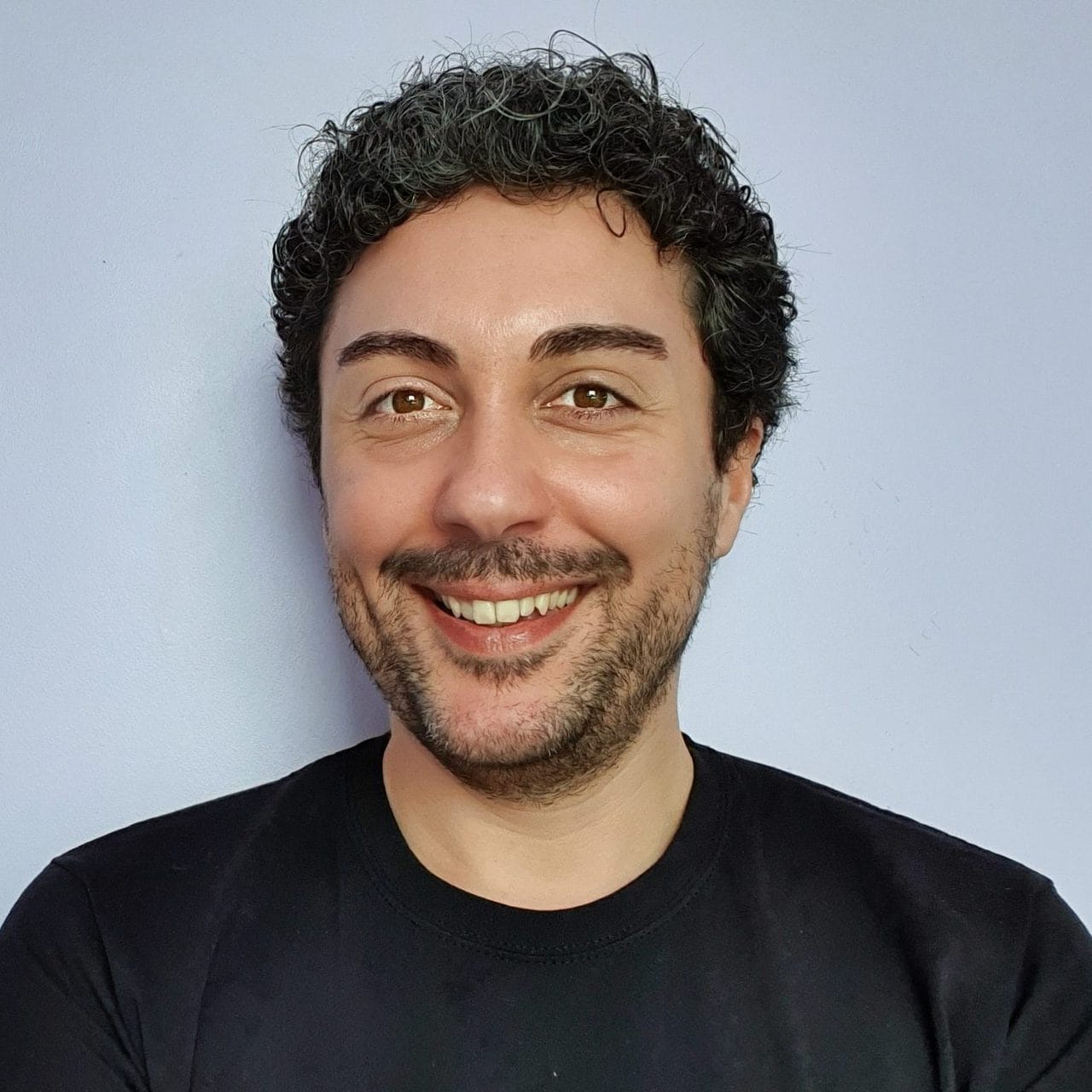
Running Canova Medical for fifteen years meant I wasn't just thinking about marketing in the abstract — I needed it to produce consultations. I've run Facebook campaigns that filled the diary and ones that produced a lot of noise and nothing else. I know the difference, and I know which variables change the outcome.
I know what happens after the lead arrives. I've answered those calls, seen enquiries go cold because of slow follow-up, and know what separates a clinic that converts leads well from one that doesn't. An agency account manager doesn't have this perspective.
Working with aesthetic nurses or cosmetic surgeons — the campaigns are built differently for each audience, and I know why.
Tap or click to enlarge.
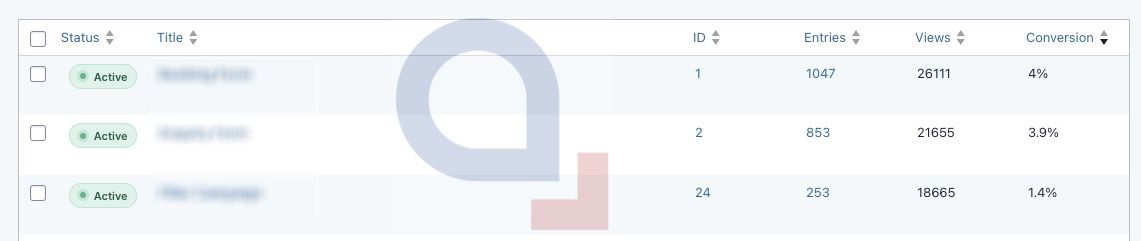
Lead campaign for anti-wrinkle, Profhilo, and dermal filler treatments — consistent weekly enquiries from targeted local audiences.
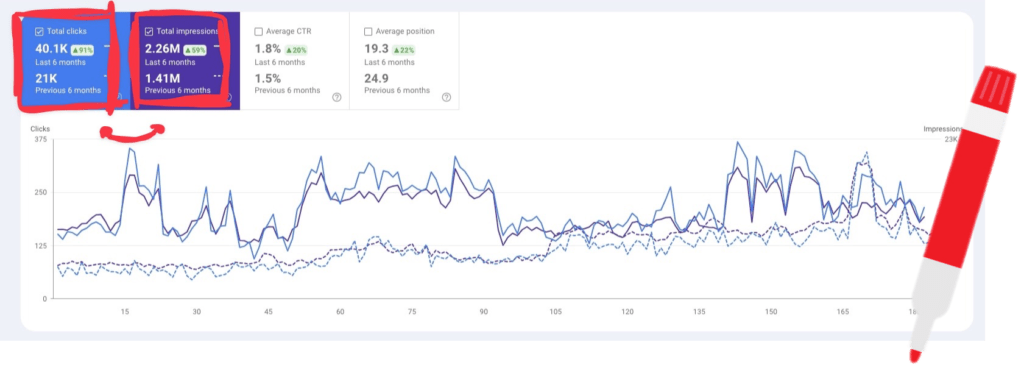
Combined SEO and paid social strategy — paid campaigns brought immediate volume while organic traffic grew in parallel.
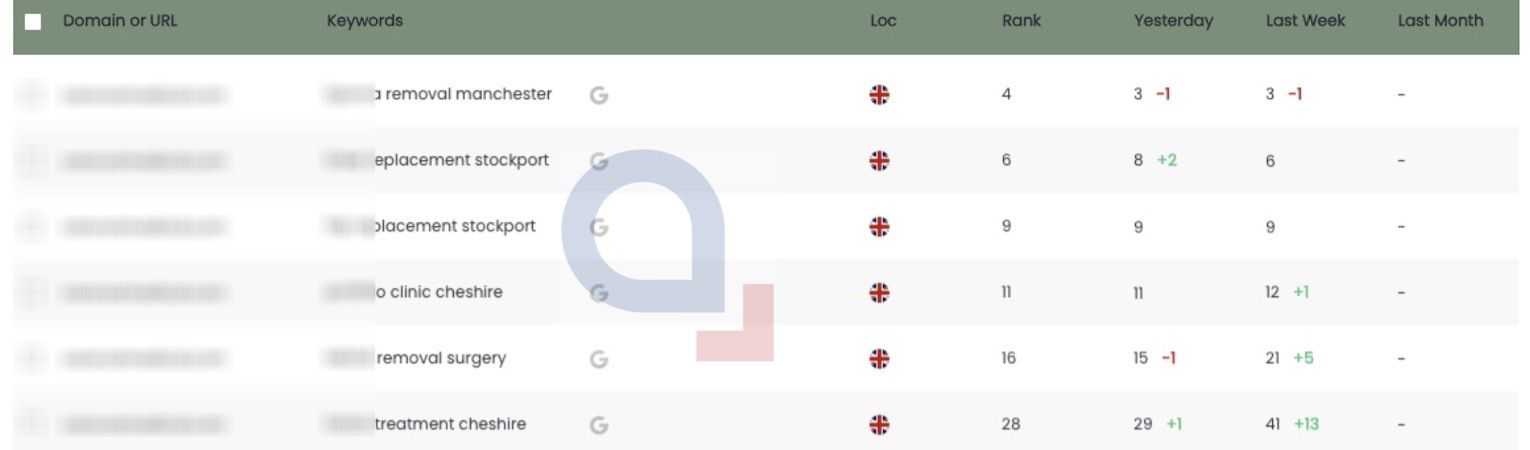
Treatment-specific targeting — understanding which procedures drive the highest quality leads versus the highest volume.
From aesthetic nurses in Manchester to cosmetic surgeons in Dubai — practitioners who have worked with Angelo directly.
The "Unique Like You" campaign — created by Angelo for Canova Medical, running across UK and Italian markets. See full case study and all testimonials →
"I hated the smoke and mirrors of marketing. I used to delegate my promotions to agencies, spending a fortune with minimal results. Angelo took time to get to know me and what I do. We go through the details together. Finally, I've found someone I can trust."
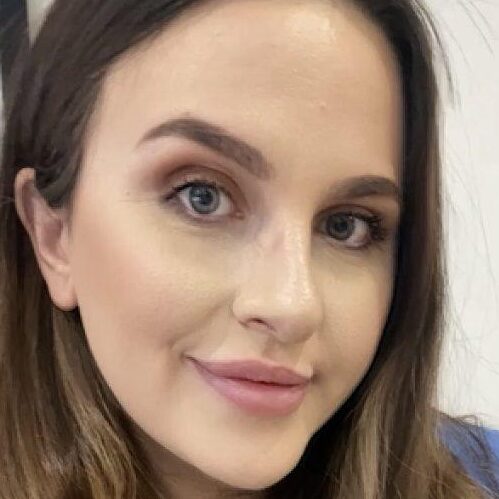
"As a cosmetic surgeon, I needed a consultant who understood not just marketing, but the cosmetic surgery business inside out. No matter where I work now — Manchester, Rome or Dubai — Angelo and his advice are my secret weapon."

"I worked with Angelo at Canova Medical in Wilmslow. Once I saw how he worked and the results he brought, I asked him to work with me at my Italian aesthetic clinic. Knowing the market and the specific business makes a difference."

No pitches, no proposals before we talk. Just a direct conversation about your situation and whether I can genuinely help.
 Angelo